The Unique Value of Human Recruiters in Recruitment
6 min readBy Amir Lahoud
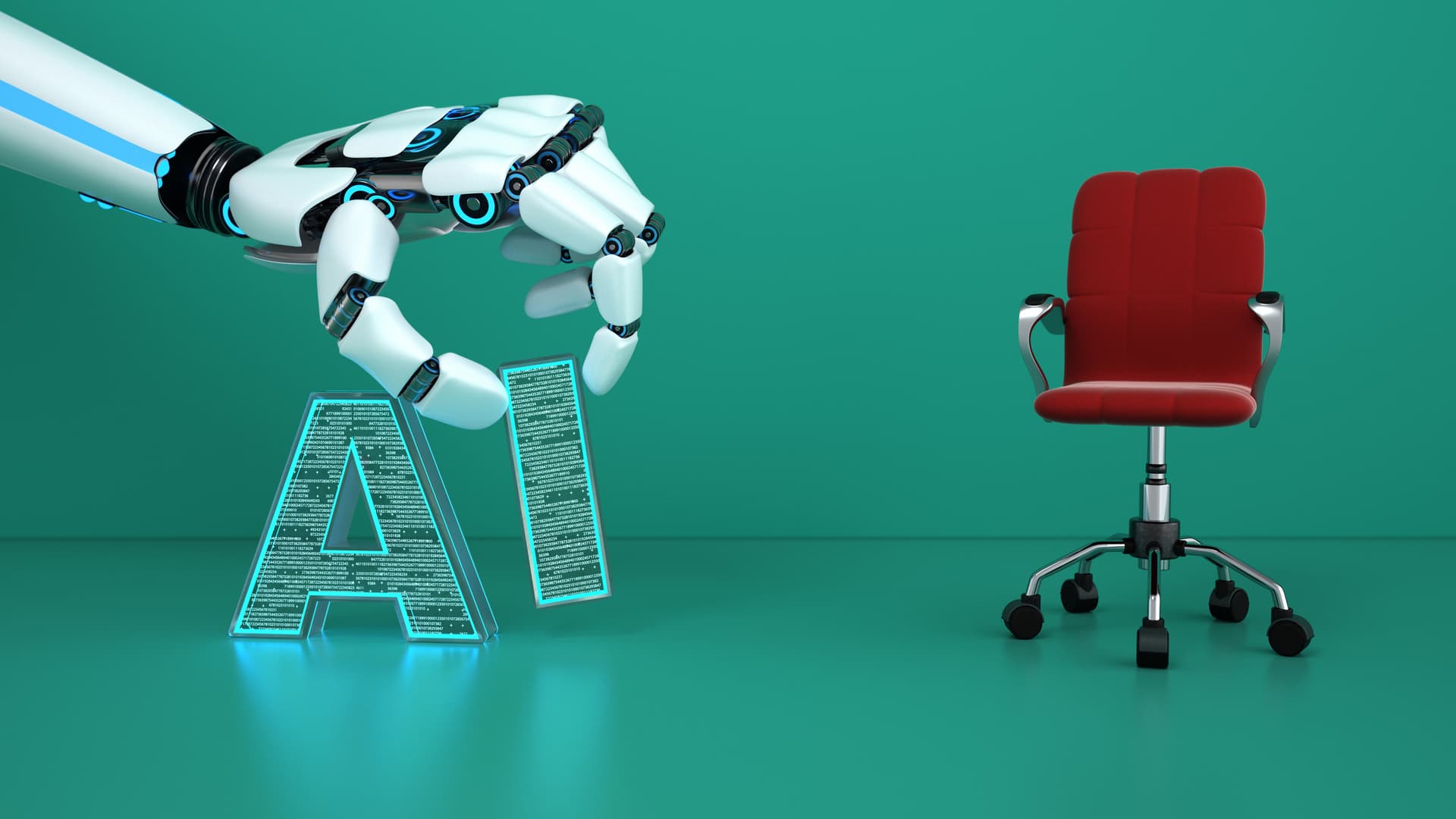
Artificial intelligence (AI) has shaken things up, especially in fields like recruitment. But even with all its fancy tech, there are some solid reasons why human recruiters aren’t going anywhere, particularly when you are searching for critical needs, specialty, or executive positions.
Artificial Intelligence (AI), or machine intelligence, encompasses various functions to simulate human intelligence in assessing human skills. Its “brain” is based upon inputs of public datasets, a vast collection of social media, databases, and images from multiple sources. Today, large organizations are investing in expensive AI-based Human Resource Information Systems (HRIS) to streamline hiring processes. These systems automatically sort through resumes, keep tabs on job applicants, and sometimes do the first round of evaluations based on this stew of data.
However, there are critical shortcomings with things that only real-life human recruiters can do! They’ve got skills that AI can’t copy, and that’s what makes them invaluable partners when it comes to finding the right people for the job:
Creativity and Originality: Human recruiters innovate in candidate sourcing and engagement, where AI struggles to match their authenticity.
Emotional Understanding and Empathy: Human recruiters empathize with candidates, forming genuine connections AI cannot replicate.
Common Sense and Intuition: Human recruiters, unlike AI, use intuition to assess candidates holistically, considering factors beyond data.
Adaptability in Unforeseen Circumstances: Human recruiters adapt quickly to unexpected challenges, a skill beyond AI’s predefined boundaries.
Now, you might be wondering if it is only a matter of time before machines truly can duplicate even these unique characteristics. But here are several examples of why you should keep your recruiter’s number on speed dial.
- Remember GIGO (Garbage In, Garbage Out)? In 2018, it was reported that a large online retailer developed an AI-powered recruitment tool to automate the screening of job applications. However, the tool showed bias against women, as it was trained on data predominantly consisting of resumes from male applicants over the years. AI is also still learning to deflect biases in hiring; your recruiter is not.
- If you’re interested in the DEI impacts of AI in recruitment for marginalized groups, you’re not alone. Researchers are currently investigating potential biases within algorithms that may discriminate against people of color or individuals with disabilities. Concerns also arise regarding violations of Federal labor laws, state hiring regulations, and company policies. While AI can improve job ad inclusivity and identify talent pools, its effectiveness in addressing DEI issues like intersectionality, cultural diversity, and workforce balance is limited. Challenges include the inability to detect algorithmic bias, lack of transparency in hiring recommendations, and uncertainty about protecting fair opportunities, merit, and sensitive information. In summary, while AI can support diversity efforts, careful management is necessary to prevent perpetuating bias and discrimination.
- Could the U.S., as did the European Union (EU), take steps to regulate the use of artificial intelligence (AI) in hiring? The AI Act, which the EU Parliament recently passed, introduces comprehensive rules governing AI applications, including detecting emotions in workplaces and limiting AI’s use in sorting job applications.
- Recruiters deal with people’s lives and livelihoods. In hiring decisions, it’s essential to consider more than just technical qualifications; personal lives and emotions also play a significant role. Conducting thorough discussions about workplace culture and individual priorities helps ensure a good match between candidates and employers. While AI can help streamline initial screenings, it doesn’t address the emotional side of recruitment. It lacks the intuitive judgment and “gut instinct” of expert recruiters, who assess soft skills, cultural fit, and other intangible qualities. Relying solely on AI might miss out on exceptional candidates whose resumes don’t fit algorithmic criteria.
- Most importantly, AI can’t offer the emotional support needed during transitions, such as when saying goodbye to colleagues. Neglecting these aspects risks creating mismatches in workplace dynamics and emotional well-being. Thus, combining human expertise with AI systems for balanced hiring decisions that consider technical skills and emotional intelligence is essential.
In summary, these examples show that recruitment is inherently a human-centric process. It involves understanding nuanced human emotions, motivations, and behaviors that AI cannot fully grasp. Recruiters excel in interpreting non-verbal cues during interviews, sensing cultural fit, and building relationships that foster trust and communication. These soft skills are crucial in making informed hiring decisions that align with an organization’s values and goals.
Additionally, AI lacks the crucial personal touch required in recruitment. It can’t negotiate terms, conditions, or salaries with candidates, which is vital to the recruitment process. It can’t prepare detailed candidate packages that include additional things uncovered in a live interview, thorough reference checks, in-depth candidate profiles, interview scheduling, and security checks that you can review beforehand. A recruiter’s empathetic interaction plays a crucial role in understanding a candidate’s circumstances and career goals. This human element significantly contributes to ensuring that candidates feel valued and understood, a quality AI cannot duplicate.
Moreover, ethical considerations hold considerable weight in recruitment. Human recruiters can navigate intricate ethical terrain and make decisions that prioritize fairness and equity. Conversely, AI risks unintentionally perpetuating biases inherent in its training data, potentially resulting in unfair hiring practices.
Additionally, the dynamic nature of the job market means that recruitment strategies must constantly evolve. Recruiters bring a level of adaptability and creativity to their approach that AI cannot match. They can strategize and innovate in ways that are responsive to the ever-changing demands of the workforce.
In conclusion, AI should be viewed as a complement to human judgment, not a replacement. While it can handle high-volume, repetitive tasks, the nuanced decision-making and relationship-building aspects of recruiting still rely heavily on human expertise. Therefore, while AI has a role in recruitment, it works best with skilled recruiters like those at Partnership Employment. The human touch, ethical judgment, adaptability, and deep understanding of interpersonal dynamics are qualities that AI cannot emulate, making human recruiters irreplaceable in the foreseeable future.
Sources:
Chen, Z. Ethics and discrimination in artificial intelligence-enabled recruitment practices. Humanit Soc Sci Commun 10, 567 (2023). https://doi.org/10.1057/s41599-023-02079-x
Peter, M., Ho, MT. Why we need to be wary of emotional AI. AI & Soc (2022). https://doi.org/10.1007/s00146-022-01576-y
Zixun L (2020) From sexism to unfair hiring, how can AI treat people fairly? https://baijiahao.baidu.com/s?id=1662393382040525886&wfr=spider&for=pc
Related Posts
Continue reading related hiring insights and career guidance.
Employers